701-289-5445
info@tgy.indakmediahosting.com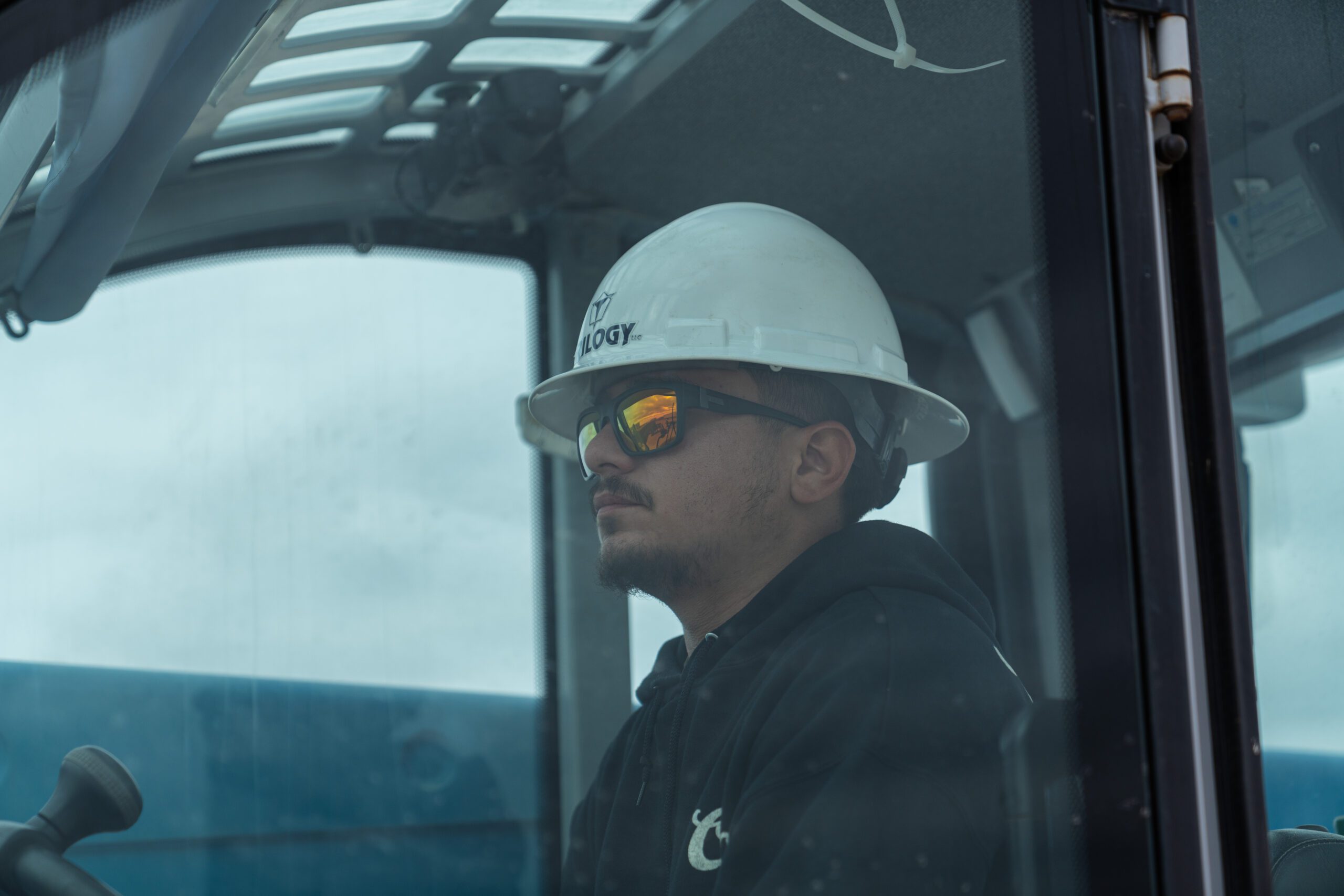
Working in the oilfield industry can be rewarding, but it's essential to acknowledge that it comes with its set of hazards. Whether it is one of our operations in Texas or the Bakken, safety is the main priority. Ensuring safety in such environments is not just a responsibility, it's a necessity. Whether you're a seasoned worker or considering a future in oilfield operations, adopting best practices for workplace safety is crucial! Here’s a comprehensive guide to keep you protected and prepared.
The first step towards ensuring safety is recognizing the potential dangers present during oilfield operations. This includes understanding the risks of heavy machinery, the possibility of fires or explosions, chemical exposures, and environmental conditions. Respect these hazards by staying informed and vigilant.
Oilfield companies often provide safety training sessions designed to equip workers with the knowledge and skills needed to handle emergencies. Participating actively in these sessions, even if they seem repetitive, reinforces safe practices and prepares you for unforeseen situations.
Personal Protective Equipment is your first line of defense against workplace hazards. Always wear the appropriate PPE for the job, Examples of PPE include hard hats, safety glasses, gloves, ear protection, and flame-resistant clothing. Ensure your PPE is in good condition before starting work.
Every oilfield operation has a set of established safety protocols and procedures. These are designed based on industry standards and past experiences to minimize risks. Always follow these guidelines carefully, even if it means taking extra time to complete a task.
Clear communication is essential in maintaining a safe workplace, especially in areas where heavy machinery is operated or when handling hazardous materials. Use radios, hand signals, or other agreed-upon forms of communication to keep your team informed of your actions and whereabouts.
Regular maintenance and inspections of machinery and equipment are vital to prevent malfunctions that could lead to accidents. Report any signs of wear and tear or malfunctions immediately, and do not operate any equipment that seems unsafe.
Fatigue and complacency can lead to accidents. Always stay alert to your surroundings and the task at hand. Avoid taking shortcuts, as these often bypass important safety measures. If you feel tired or unwell, inform your supervisor and take a break.
Familiarize yourself with the site’s emergency procedures, including evacuation routes, assembly points, and the location of emergency equipment like fire extinguishers and first-aid kits. Knowing what to do in an emergency can save lives.
Keep work areas clean and free from clutter to prevent trips, slips, and falls. Proper housekeeping also includes correctly storing tools and materials when they’re not in use and disposing of waste in designated areas.
A safe workplace is a shared responsibility. Support your colleagues by encouraging safe practices and being willing to speak up if you notice unsafe behaviors. A culture of safety is built on mutual respect and cooperation.
Following these practices ensures not only your safety but also the well-being of your coworkers. Stay informed, stay prepared, and always prioritize safety first.